Welcome to the KSR's Literary Universe
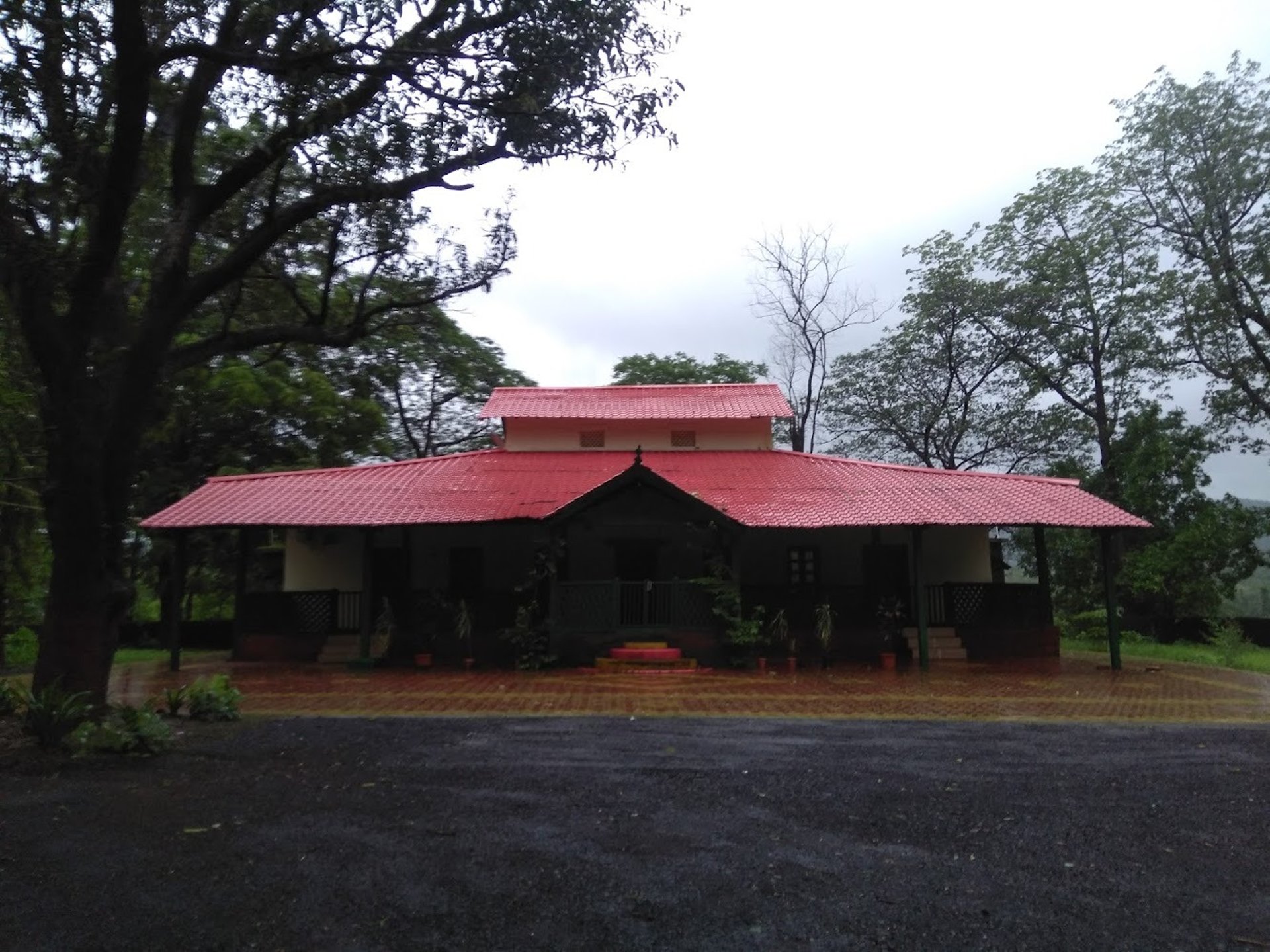
The Dang Diaries

Prolouge
Dang, the little-known paradise of India was aptly described by Shri S. K. Nanda IAS, MD of Gujarat State Fertilizer Corporation. The title was not merely for its lush green forest, eco-tourism and camping site, but for the myriad events that shaped the present-day Dang. It tested devotee’s patience in seeing her Lord and provided refuge to the brothers during their exile. It witnessed the historic agreement where its verdant forests were traded for the annual political pensions. Its tradition and culture being a harmonious blend of influences of two states. It has seen the rising of Western ghats in the south and Satpura ranges in the east. And it wholeheartedly welcomed the flora and fauna from different regions, marking itself as a place of rich biodiversity. It ensured the fulfilment of food and nutrition for the species it harboured by creating a nutritious environment for species to live. Dang has also witnessed the establishment and development of the largest Botanical Garden in Gujarat. It raised and conserved species that are rare, endangered, and threatened in other parts of Gujarat as well as India. It provided a habitat even for those species found at high altitudes.
Dang has its own admirers, ranging from nature lovers to researchers. It has been chosen by a wide range of researchers and scientists to work with. Its rich flora and fauna attract botanists, zoologists, agriculturists, foresters, and ayurveda researchers. Its culture and tradition inspire anthropologists, and its nutritious food appeals to nutritionists. It has inspired naturalists to capture its wildlife and forest landscapes on camera. Numerous books have been written featuring Dang, its jungle, people, traditions, and culture.
The Background - Looking at Gujarat from outer space or any satellite image would reveal that Dang stands out as the state’s sole district with dense forest cover of 1048 square kilometers, which is 60% of its total area. This tribal district shares its borders with Tapi and Navsari districts of Gujarat in the north and west, respectively, while Nandurbar and Nashik districts of Maharashtra surround Dang from the east and south. In the pre-independence era, Dang was within the Bombay Presidency and had a strong connection with the Khandesh region of North Maharashtra. This central location contributed to a fusion of cultures from both states and the influence of the Khandeshi dialect on Dangi, the spoken language of Dang. Ranging from 300 to 1100 meters, the elevation of the district plays a significant role in its biodiversity.
Most of Dang’s River basins are situated in the southwestern part, as these lifelines originate from the northeastern side and flow toward it. Mother Nature graces Dang with annual rainfall between 1500 to 3000 mm, adding enough water to its major lifelines, Ambika and Purna. These rivers originate in the mountains of Dang and meet the Arabian Sea in the west. Besides these major rivers, their tributaries—Gira (Purna), Khapari (Ambika)—some catchment pools such as Umra, Dhamda, Kunda, and Kasarapada, and perennial streams like Koshmal, Vanar, Ukhatia, Morzira, Don, and Ambapada play a vital role in Dang’s drainage and enhance its natural beauty. These water bodies form around 21 small and big waterfalls, attracting tourists. Girmal, Don, and Gira are some major waterfalls that add beauty and charm to Dang’s natural glory.
The Dandakaranya of the epic Ramayana extended to the jungles of today’s Dang. Later, referring to its bamboo-rich area and villages situated in hilly areas, it was named Dang. After inclusion in Gujarat, the single taluka containing Dang was distributed into three talukas, Waghai, Ahwa being its District Headquarters, and Subir. The Jungle of Subir around Pampasarovar was called Matangvan, named after Sage Matang. It is mentioned in the epic Ramayana that the region was rich in biodiversity and was blessed by Sage Matang. He, along with his disciples, relied on its wild fruits and tubers. Ascetic Shabari, who was in the service of Sage Matang, waited for a long time after the liberation of all sages for Shri Rama. The epic describes how Shabari met Shri Rama and got liberated from her human body. The Pandava village of Dang holds another description found in the epic Mahabharata. It is believed that Pandavcaves or Pandavgupha is a place where the Pandavas lived during their exile. There are five rooms, one for each brother. One room is bigger than the other four, around 40 to 50 feet, and it belonged to Mahabali Bheema.
Festivals of Dang - India is full of festivals. These festivals fall at peculiar times when we observe physiological changes taking place in both plants and animals. Festivals that are significant, their timing, celebrations, and resources used in celebrations matter, as people offer or use plants that are available in their particular surroundings. Dang, which lives in harmony with nature, has a very peculiar way of celebrating its festivals. It honours all the festivals observed across India, but it has its own rituals, exclusive festivals, and unique ways to celebrate them.
Dang Darbar is one of these unique festivals. Celebrated on the occasion of Holi, this festival has its roots back in the times of British India. Dang is considered the beginning of the Sahyadri, also known as the Western Ghats, which was difficult to conquer from the time of Chhatrapati Shivaji Maharaj, who ruled over the Sahyadri. Astonished by the rich forest, its biodiversity, and its produce, in 1842, Sir Outram signed an agreement with five Bhil kings of Dang, securing the forest produces against an annual political pension to the kings. This agreement was signed under a separate Foreign Territory and Administration of Foreign Jurisdiction Act of the British Empire, due to which Dang never became part of British India and neither fell under the territory occupied by any neighboring kingdom. After independence, in 1971, the Indira Gandhi Government abolished the titles of 400 kings and Maharajas who were under direct British Rule. This action was officially recognized in a resolution passed in 1954, which took away all the rights and privileges of the kings against a hereditary political pension. However, Dang was governed under separate provisions of the Act, and hence, Dang rulers stood outside its ambit and continued to receive aid without any break. Since then, every year, a three-day cultural festival is organized to celebrate Dang Darbar, where all five kings are honored with their pensions from the state government. During the festival, the kings are carried on decorated horse carts in a procession led by tribal musicians playing instruments like Kahalia and Tadpur. Dancers perform their traditional dances. (To be continued....)
Food of Dang - Plants absorb water and nutrients through their roots and obtain carbon dioxide from the air in the presence of sunlight to prepare food called glucose. Herbivore animals that prey on plants, while carnivore animals hunt on herbivores. For every organism in the ecosystem, food serves as a source of energy and nutrition. However, for humans, it carries a deeper significance. In the course of evolution, scarcely any organism would have undergone such a significant change in physiology due to dietary shifts as humans have. This dietary shift propelled humans to the top of the food chain in the last hundred thousand years. This transformation could possibly be attributed to the first technology our forefathers mastered: the art of controlling fire, marking it as a significant step in the history of humankind.
Around eight lakh years ago, different human species occasionally used fire in various regions. Three lakh years ago, Homo erectus, Neanderthals, and the forefathers of Homo sapiens were regularly utilizing fire. Besides providing warmth on cold nights and protection from wild animals, cooking emerged as one of the most significant uses of fire for humans. This new technology ushered in a pivotal change in the quality of diet and is argued to have accelerated the rate of evolution within Homo erectus. On the other hand, Australopithecus employed underground storage organs such as tubers, bulbs, and corms along with meat, which were more digestible and metabolically less expensive. Some scientists believe that this dietary shift, from high-volume, low-energy fibrous foliage to a low-volume, high-energy diet, provided more energy for key morphological changes. These key morphological adaptations occurred due to significant physiological changes, such as the development of a large brain, shortening of intestine etc. Cooked starchy plant parts, especially underground storage organs, provided a source of pre-formed glucose—a pre-digested food that conserved the energy required for digestion. Consequently, there was no need for a more energy-consuming long intestinal tract. Over time, the intestinal tract shortened, diverting the conserved energy toward the development of a large brain. Cooking inadvertently paved the way for the enlarged brains of Neanderthals and sapiens, establishing a direct connection between dietary shifts and the evolution of the human brain.
Twelve thousand years ago, the Agricultural Revolution brought wheat, rice, maize, potatoes, and other plants into our staple diet due to cooking. Fire not only altered food chemistry but also transformed our physiology. It eradicated germs and parasites that infested food, saved time on chewing and digestion. As a result, humans began consuming a more diverse range of foods, spending less time eating, and evolving smaller teeth and shorter intestines. (To be continued...)
The Underground Story - As the monsoon arrives, Jungle prepares herself to accommodate diverse flora and fauna. She welcomes the seeds and spores that have travelled here so far to germinate. The land seems clearer from above in the sky. As soon as it lands on the ground, she observes something dry buried under the ground. The clouds in the sky cannot withstand holding the cold vapors of water. The vapor precipitates and forms rain. As the raindrop touches the ground, the underground creatures wake up, and the race for nutrition begins. These dry underground parts of plants are majorly storage organs such as roots, stems, and their modifications like rhizomes, corms, bulbs, and tubers, which have the ability to rejuvenate in the monsoon. The verdant jungles of Dang, harbours 19 different species of tubers. These tubers flourish during the monsoon, competing and spreading their community underground, providing food to Dangi people in winter. Some of them are eaten raw, burnt, boiled, and cooked. These methods remove the acrid taste, rendering tubers palatable. They are delicious and a source of instant energy like Vigna vexillata. Native to Asia, this magical plant shares its brotherhood with moong (Vigna mungo), known for its bioactive components and ability to cure and prevent diseases, in addition to its basic nutritional value. Locally known as Halund, Vigna vexillata is no less than a boon to Dangi people. In the drought of 1956, it served as a crucial food source. Halund fulfills the nutritional requirements like carbohydrates from roots and protein from seeds, vitamins, and other vital elements from its leaves. And probably since then, Dangi people started to worship this plant as Halund mata. It nourished Dangis just like a mother does.
More from Dang Diaries

Raat Akeli hain, Bujh Gaye Diye...
It has been a week of being here in Dangs, and I have experienced lot of things, did the things that I have never done before like, I had never been alone in a villa, in the jungle, where clouds to rain all night. The first morning brought a snake predating over a wall lizard in the bathroom to our sight. Two different species of snakes were spotted by the Ankur and Roshan Bhai during the field and for second time, Lasu Kaka just put a step aside of snake......

Get in touch...
© 2026 Krishnparn.in All Rights Reserved
All content (including but not limited to text/words, photographs, videos and audios) on this site is the original work of Krishna Singh Rajput and CANNOT be used/copied without prior written permission and giving due credits. Anyone caught copying content from any page on this site (whether in part or whole) shall face severe repercussions.